
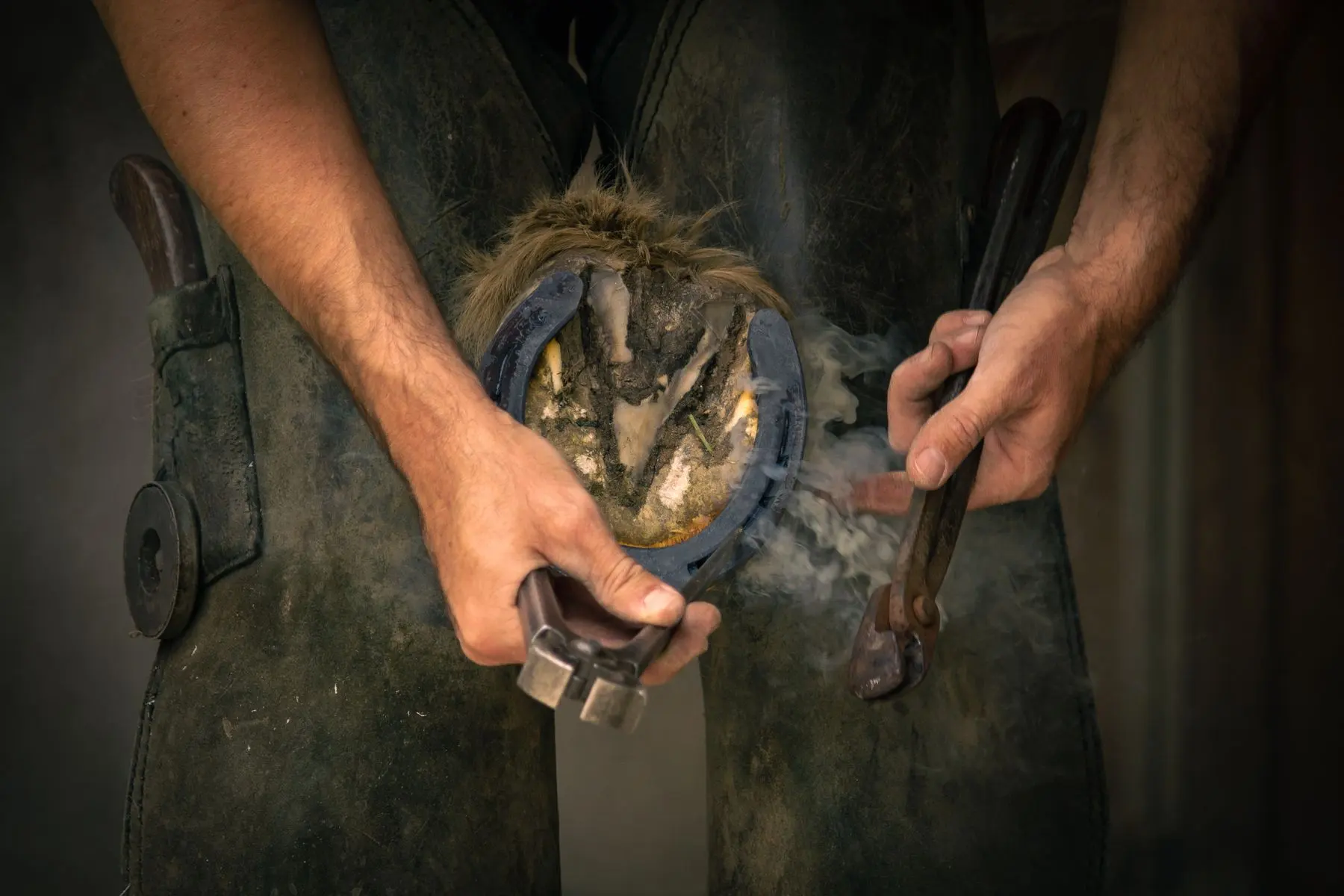
Mobile Farrier - Chester County, PA and 8 Surrounding Counties
Mobile hoof trimming, horseshoeing, resets, barefoot care, and barn visits for horse owners across Chester County and nearby communities.
Start with where the horse is kept, what care is due, and what has changed since the last farrier visit.
At the barn
Hoof care that starts with the horse in front of us.
Choose the service that best matches the next visit. If you are not sure, describe each horse, the current setup, and what changed.
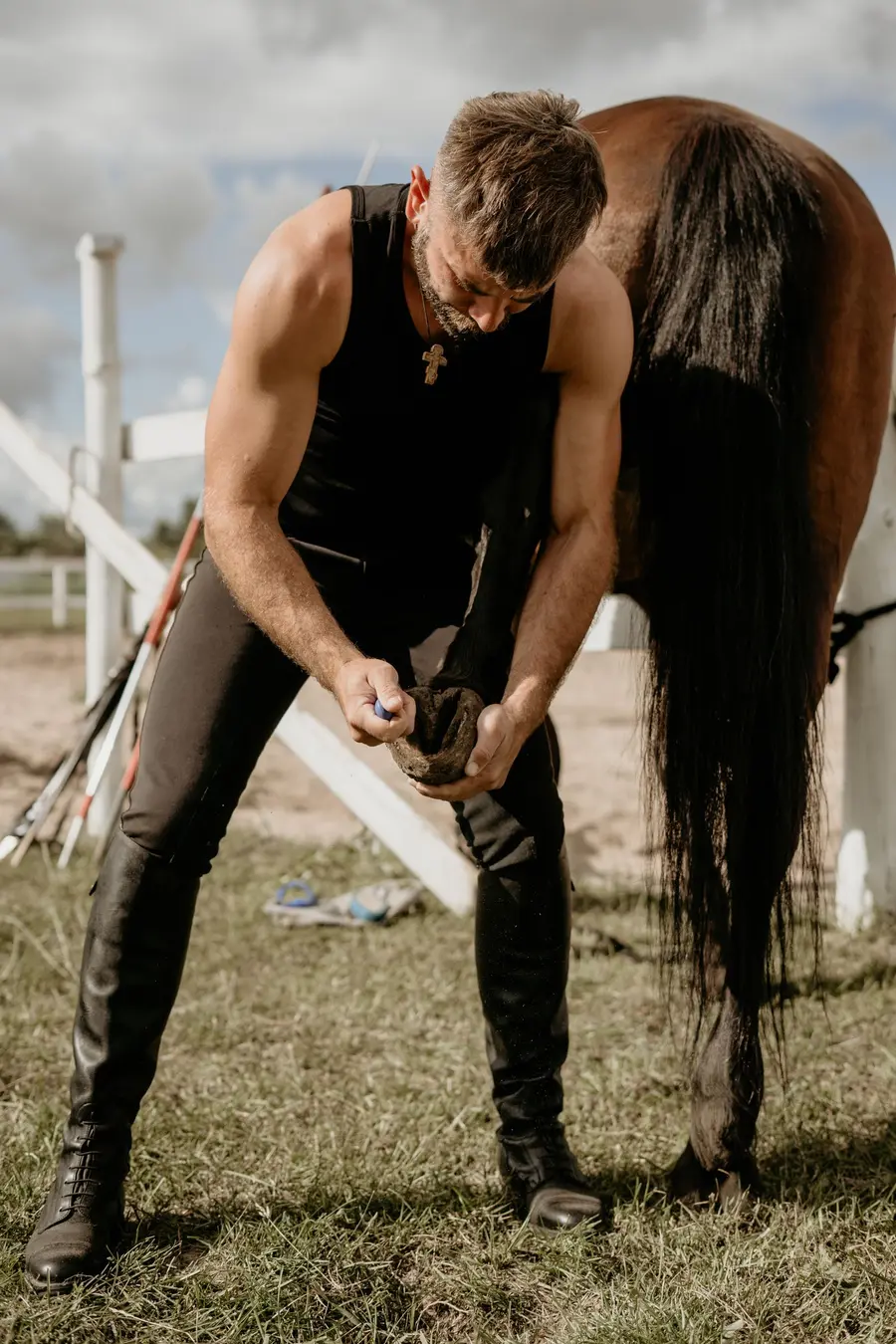
A practical first visit
Good hoof care starts with the horse, not a one-size-fits-all answer.
Every appointment starts with the practical details: where the horse lives, how the feet are wearing, what work is due, and whether anything has changed since the last cycle.
Conformation, footing, turnout, workload, season, and growth all affect the hoof in front of us. Sharing that context before the appointment makes it easier to arrive prepared for the work due.
Before the first visit, send the horse count, barefoot or shod status, last farrier date, handling notes, and any veterinarian-provided hoof-care instructions. Clear information makes for a clearer appointment.
- Horse
- Stance, wear, comfort, handling
- Environment
- Turnout, footing, moisture, workload
- History
- Last visit, current setup, recent changes
- Plan
- Work today, what to watch, next interval
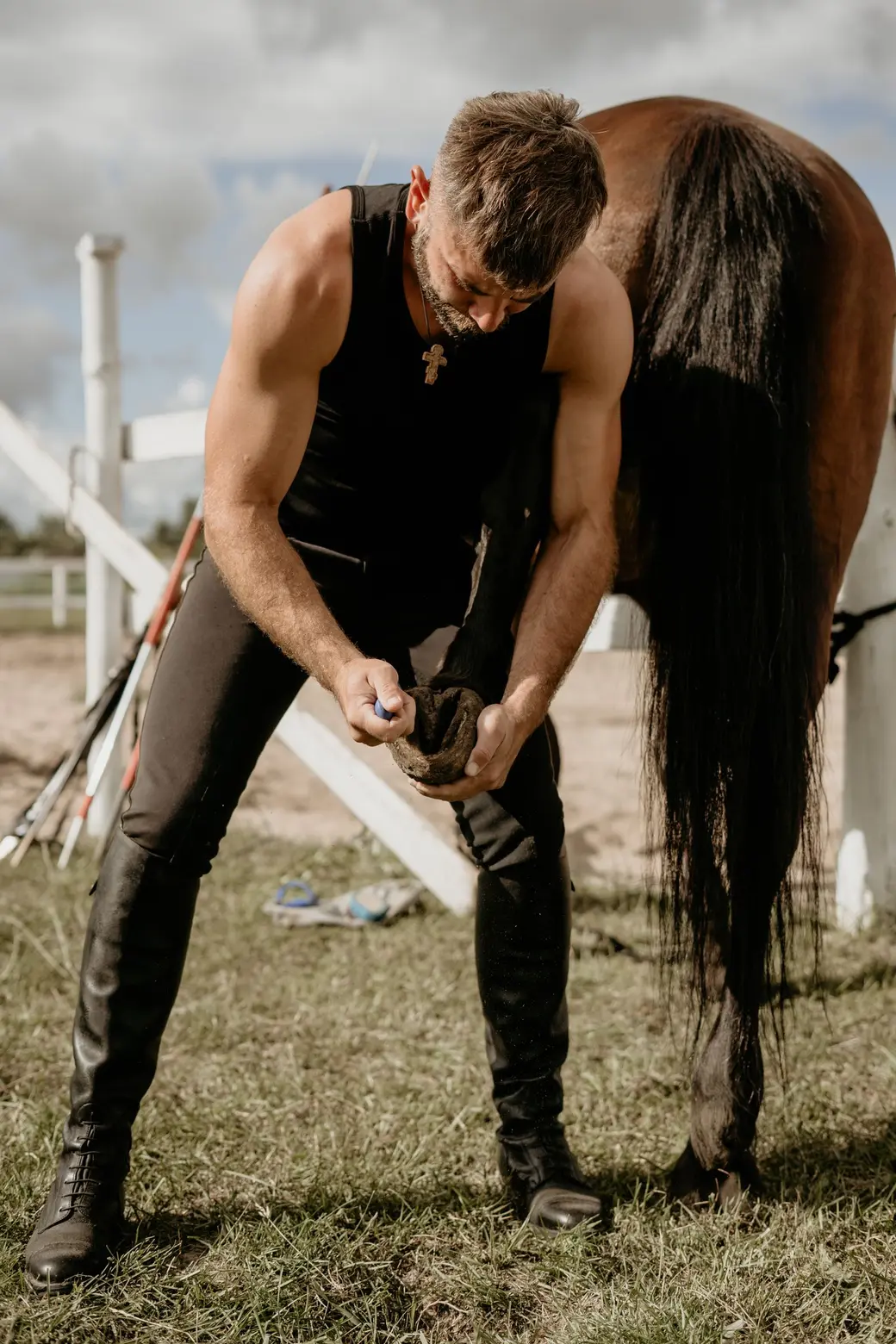
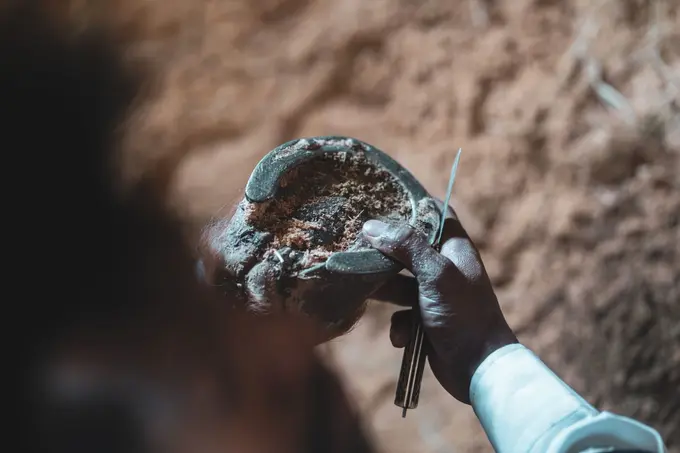
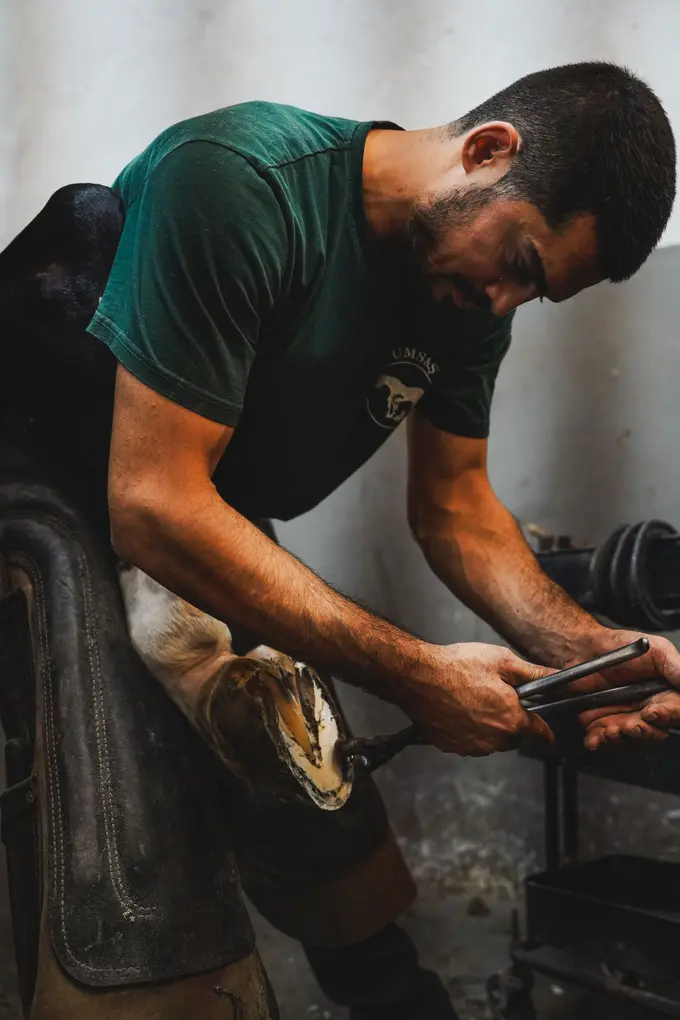
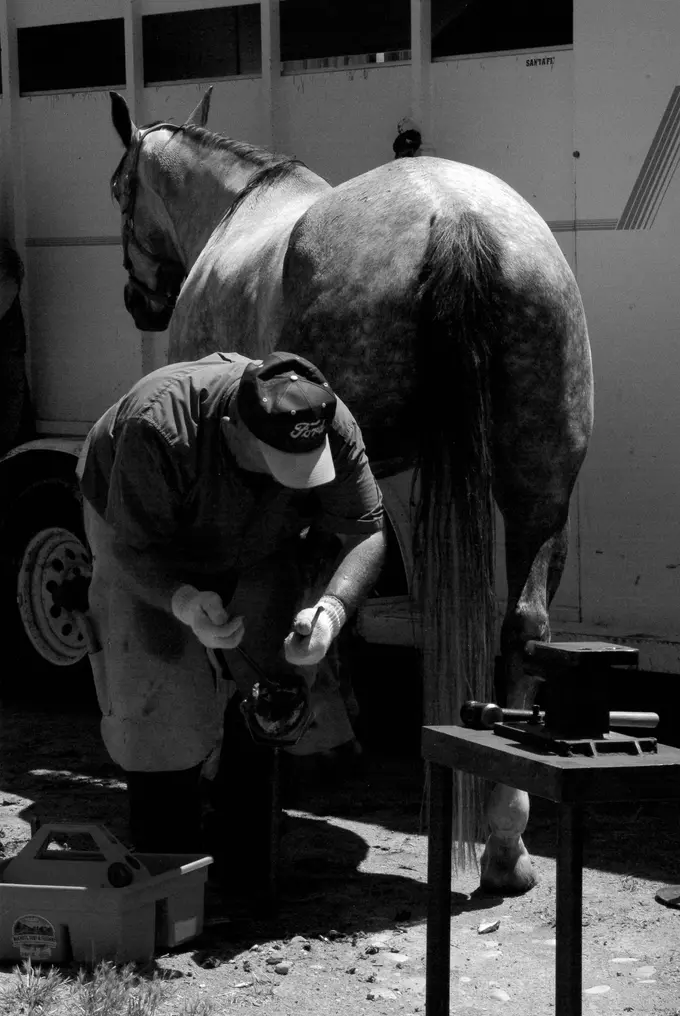
The work up close
A trade measured in small details.
A visual look at trimming, shoe fitting, hoof inspection, and the working environments common to mobile farrier appointments.
Mobile route area
Based in Chester County. Built to travel where the barn is.
Mobile route requests are welcome from Chester, Montgomery, Delaware, Lancaster, Berks, Bucks, Philadelphia, New Castle, and Cecil counties. Appointment availability depends on the barn location, horse count, work due, and current route schedule.
Review every service area →Before the appointment
Useful questions deserve direct answers.
The details below make the first conversation more specific without pretending a website can evaluate a horse.
What should I include in an appointment request?
Include the barn town, horse count, each horse's barefoot or shod status, the work due, last farrier date, handling notes, and preferred timing.
How often should a horse see a farrier?
The interval varies with growth, season, hoof condition, workload, and whether the horse is barefoot or shod. Share the current schedule so the next interval can be discussed for the individual horse.
What should be ready at the barn?
A dry, reasonably level, well-lit work area with room around the horse is a useful starting point. Horses should be caught and ready, with a capable handler available when needed.
Can several horses be booked together?
Multi-horse requests can be considered. List every horse and the expected work so enough appointment time can be planned.
Do you provide emergency lost-shoe service?
Same-day and emergency availability are not guaranteed. Send the location, affected foot, timing, hoof photos, and current comfort so we can confirm the next possible step.
Should I send veterinary instructions or radiographs?
Yes, mention any veterinarian-provided hoof-care instructions or available radiographs when requesting the visit. Veterinary diagnosis remains the veterinarian's role.
Start with the barn and the horses
Tell us about the horses and the barn.
Send the barn town, horse count, barefoot or shod status, last farrier date, services due, handling notes, and preferred timing. We can then confirm the appropriate next step and route availability.
Prefer to talk now? Call (215) 518-6296.
- Exact barn town or address area
- Horse names and total horse count
- Barefoot or current shoeing setup
- Work due and last farrier date
- Handling, access, or schedule notes