
Routine hoof care
Balanced trims built around the horse in front of us.
Routine trimming removes excess growth, keeps the hoof capsule in better balance, and gives us a regular chance to notice changes in wear, symmetry, cracks, or comfort before the next cycle.
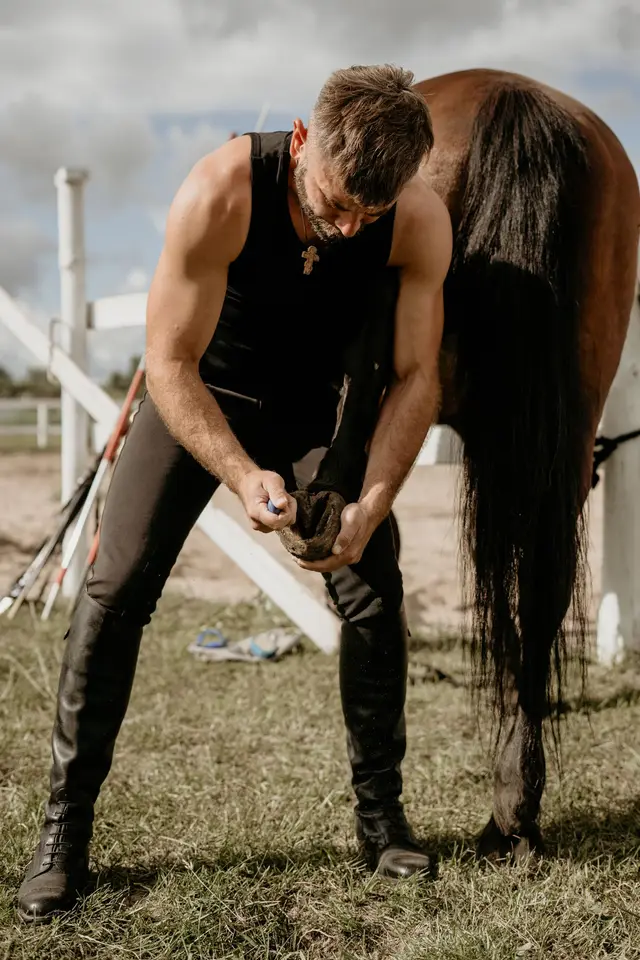
A good trim starts with how the horse stands, moves, and wears the foot.
No two horses load every foot exactly the same way. Conformation, turnout, footing, workload, season, and the time since the last appointment all affect what the hoof looks like on the day of the visit.
The useful starting point is simple: look at the horse, clean the foot, check the growth and wear, and trim toward a balanced, functional hoof without removing more than the foot is ready to give.
Keep the schedule consistent enough to make small corrections.
Regular visits make it easier to manage growth before flares, chips, long toes, or uneven wear become larger problems. The right interval varies by horse and can change through the year, so the schedule should be based on what the feet are actually doing.
Before the appointment, share when the horse was last trimmed, whether anything has changed in movement or comfort, and whether a veterinarian has provided hoof-care instructions that should be part of the conversation.
How it goes
From the appointment request to the next hoof-care plan.
-
Share the history
Start with the last trim date, current schedule, and any recent changes.
-
Look at the horse
Review stance, wear, hoof shape, and the condition of each foot.
-
Trim and balance
Remove excess growth and finish the hoof for its current needs.
-
Plan the interval
Set the next visit around growth, season, workload, and wear.
FAQ
Hoof Trimming questions before requesting a visit
How often should my horse be trimmed?
The interval depends on growth, season, hoof condition, turnout, and workload. Share the current schedule when requesting an appointment so the next visit can be planned around the horse rather than a fixed generic interval.
What should I mention before the first trim?
Share the horse count, last farrier date, barefoot or shod status, any handling concerns, and any recent changes in comfort, movement, cracks, or hoof wear.
Start here
Ready to request hoof trimming?
Send the barn town, horse count, barefoot or shod status, work due, and preferred timing so route availability can be confirmed.