
Barefoot horses
Barefoot care that follows growth, wear, footing, and comfort.
Barefoot does not mean maintenance-free. Regular trimming and observation help manage excess growth, flare, chipping, and uneven wear while keeping the plan connected to the horse and its environment.
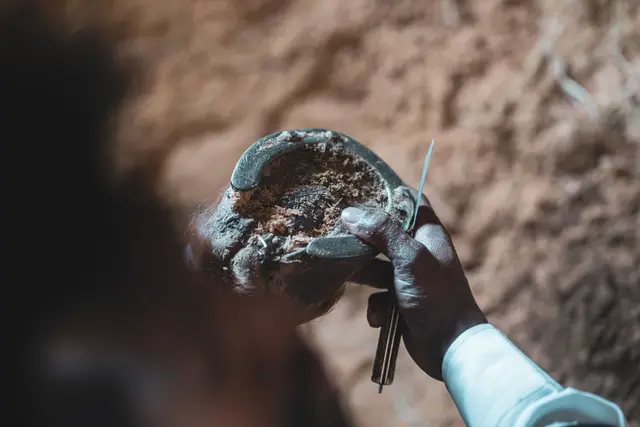
Barefoot feet still need a regular plan.
Turnout surface, moisture, season, movement, workload, and individual growth patterns all affect how a barefoot hoof wears. Some feet stay tidy between visits; others develop chips, flare, or imbalance quickly.
A routine visit creates a chance to compare those changes over time and adjust the interval before excess growth begins changing how the horse loads the foot.
Use the horse and environment as the guide.
Tell me where the horse lives, what surfaces it works on, how often it is ridden, and whether sensitivity or chipping has changed. Those details are more useful than treating every barefoot horse as the same case.
When discomfort, lameness, or a medical issue is involved, veterinary evaluation may be appropriate. Farrier care and veterinary diagnosis serve different roles, and the appointment should stay clear about that boundary.
How it goes
From the appointment request to the next hoof-care plan.
-
Review the environment
Talk through footing, turnout, workload, moisture, and seasonal changes.
-
Check each foot
Compare growth, wear, chips, flare, sole, and frog condition.
-
Complete the trim
Balance and finish the hoof for the horse at this visit.
-
Watch the cycle
Set the next interval and note changes worth monitoring.
FAQ
Barefoot Care questions before requesting a visit
Does a barefoot horse still need regular farrier visits?
Yes. Barefoot hooves continue to grow and wear. A consistent schedule helps manage balance, flare, chips, and changes between seasons.
Can a farrier diagnose lameness?
A farrier can describe hoof observations and discuss the work performed, but veterinary diagnosis belongs with a veterinarian. Mention any lameness or medical concern before the appointment.
Start here
Ready to request barefoot care?
Send the barn town, horse count, barefoot or shod status, work due, and preferred timing so route availability can be confirmed.